
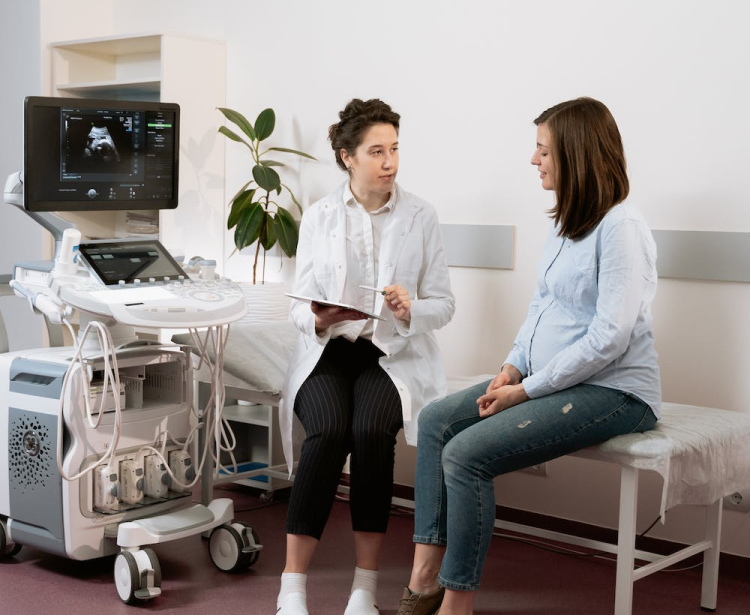
The patient journey covers every stage of care for a patient's illness, from preliminary diagnosis to palliative care. It is a major concern for everyone in healthcare. Patients want to maximise their chances of recovery, improve their quality of life and access the best care. They therefore need a clearer view of their care pathway, available options and the effects of their condition. Healthcare professionals seek to improve their practices and make patient care easier. More broadly, the healthcare system needs to modernise and become more efficient, particularly by reducing inequalities in access to care and cutting costs.
Within the hospital, the patient journey starts with pre-admission and ends at discharge.
The stages of the patient journey
Pre-admission
Pre-admission begins when patients contact the healthcare facility to book an appointment or arrange a referral for care. Healthcare professionals aim to make this stage as simple and transparent as possible:
- By providing an online appointment system to make care easier to access;
- By providing clear information about upcoming procedures, examinations and tests;
- By explaining estimated care costs and available payment options;
- By facilitating access to patients' medical histories, including requesting permission to share them between healthcare professionals
Admission
Once patients are admitted, care staff make sure they feel comfortable and understand what is happening. They remain available to answer patients' questions and concerns. Healthcare facilities can use technology to improve the patient experience by making results available online or enabling remote follow-up through mobile health applications.
Discharge
Discharge is another crucial stage of the patient journey. Patients receive clear instructions about their ongoing treatment, including medication, appointments and symptoms that may require immediate medical attention. Healthcare facilities ensure patients have all the information they need to manage their health after leaving hospital and play an active role in their care.
Why patient wellbeing matters
One of the three main pillars of the patient journey is “putting the patient at the centre”. Studies, including research led by Laura Kubzansky at Harvard University, also suggest that happiness supports health and recovery through a real physical effect. This is where MVédia comes in, providing a tool that is simple and secure to support patients in care units: secure management of self-service tablets.
Hospitalisation can add to already difficult circumstances: illness, fatigue, restrictions and disruption to everyday life. It is important to find activities for body and mind, such as films, series, videos, reading, music or podcasts, and to stay in touch with loved ones, for example through social media.
What MVédia offers through secure self-service tablet management
MVédia's tablets are managed through MDM (Mobile Device Management) and can include the content you choose.
They are designed for self-service use: patients can collect a tablet from reception or hospital staff and use it throughout their stay. Tablets are activated through a secure sign-in portal that asks for the patient's first and last name.
Once the form is completed, the tablet unlocks, content loads and patients can browse the applications: messaging, social media, streaming, games and more. At the end of their stay, patients sign out using the dedicated button. After a few minutes, all the user's content and data are erased and the tablet is ready for another patient.
To learn more about what we offer for the patient journey, visit our website at:
https://www.mvedia.fr/parcours/patients